
Introduction to Yala National Park (Yala safari Sri Lanka)
Yala National Park, located on the southeastern coast of Sri Lanka, is one of the largest and most prominent wildlife sanctuaries in the country. Spanning over 977 square kilometers, the park encompasses a variety of ecosystems, including scrublands, grasslands, wetlands, and coastal beaches. This rich diversity of habitats not only enhances the natural beauty of Yala Yala safari Sri Lanka but also supports an impressive range of flora and fauna, making it a significant ecological zone within Sri Lanka.
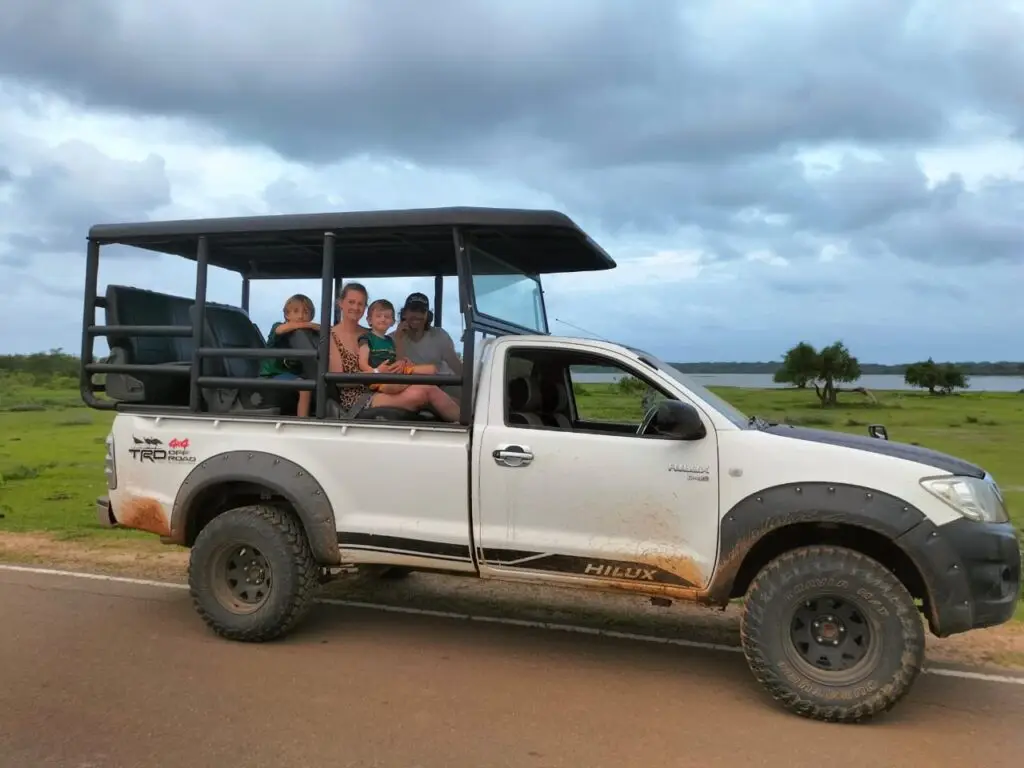
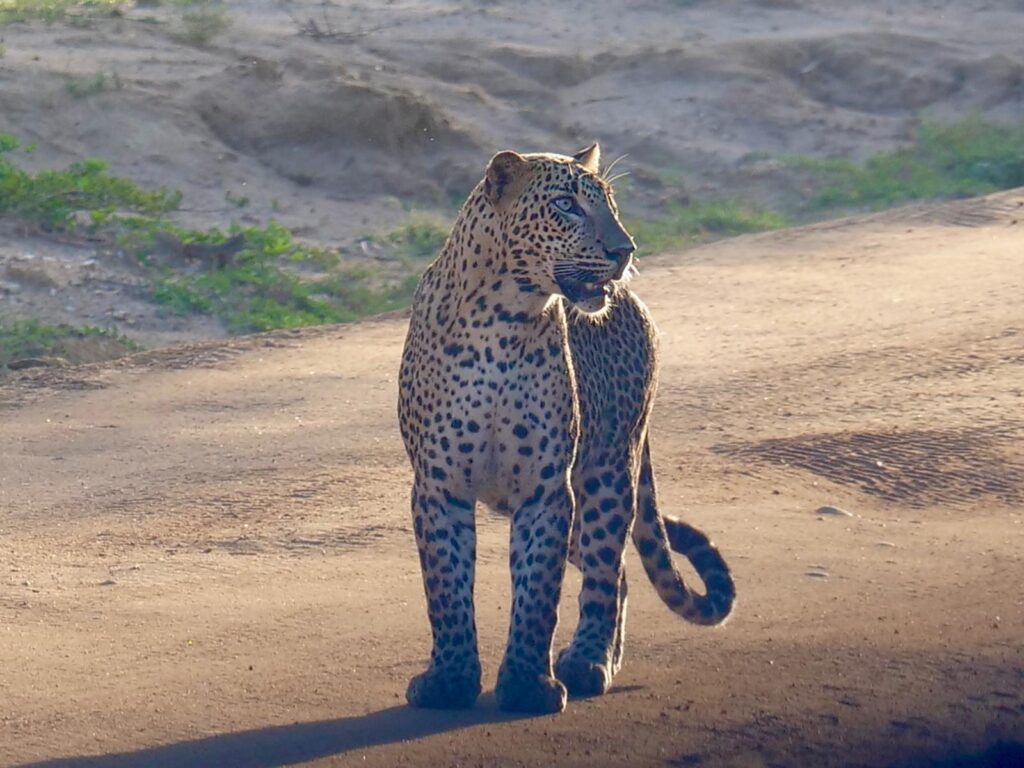
Yala is renowned for its remarkable wildlife, including a plethora of species that inhabit the park. Among its most famous residents are the elusive leopards, which have earned the park the reputation of being one of the best locations in the world for leopard spotting. According to recent studies, Yala safari Sri Lanka boasts one of the highest densities of leopards globally, providing wildlife enthusiasts and tourists with an extraordinary opportunity to observe these magnificent creatures in their natural habitat. Visitors frequently embark on jeep safaris, maximizing their chances of encountering leopards and other wildlife.
In addition to leopards, Yala National Park is home to numerous other species, including elephants, sloth bears, crocodiles, and over 200 species of birds. The park’s diverse ecosystems also support various plant species, contributing to its ecological significance. The combination of unique wildlife and varied landscapes creates an ideal setting for both nature lovers and those seeking adventure. As a result, Yala Safari Sri Lanka has gained international acclaim, attracting visitors from all corners of the globe who wish to experience the unmatched beauty and biodiversity of this remarkable national park.
Why Yala is Famous for Leopards
Yala National Park, located on the southeastern coast of Yala safari Sri Lanka, bears the distinction of hosting one of the highest densities of leopards in the world. This remarkable concentration of the elusive Panthera pardus is attributed to several factors that create an ideal environment for their survival and hunting practices. Firstly, Yala safari Sri Lanka‘s diverse landscapes, which include dense jungles, open grasslands, and coastal regions, offer a variety of habitats that cater to the leopards’ needs. The variations in topography and vegetation allow leopards to adapt their hunting strategies, increasing their efficiency in capturing prey.
Leopards are solitary animals, and their behavior in Yala safari Sri Lanka is a reflection of this nature. With ample cover provided by the thick underbrush and trees, leopards can stalk their prey with greater discretion. The presence of numerous prey species, such as deer and wild boar, further solidifiesYala safari Sri Lanka‘s reputation as an exceptional habitat for leopards. These animals thrive not just because of the availability of food, but also due to the reduced competition with other large predators, which allows them to maintain a stable population.
Additionally, Yala safari Sri Lanka‘s management practices support wildlife conservation, emphasizing the importance of protecting the habitat’s intricate ecosystem. Strict regulations help mitigate human-wildlife conflict, allowing leopards to roam freely without significant disruption. Visitors to Yala Safari Sri Lanka may experience the phenomenon of seeing multiple leopards during a single trip, often leading to remarkable encounters that highlight their agility and stealth in the wild.
In summary, Yala safari Sri Lanka‘s combination of rich biodiversity, suitable landscape, and effective conservation strategies positions it as a prime location for leopards, drawing wildlife enthusiasts from around the globe to partake in the unforgettable experience of observing these magnificent creatures in their natural habitat.
Best Time to Visit Yala for Leopard Spotting (Yala safari Sri Lanka)
When planning a visit to Yala National Park for the ultimate wildlife experience, especially for leopard spotting, understanding the best times to go is crucial. Yala Safari Sri Lanka offers one of the most sought-after opportunities to witness these elusive big cats in their natural habitat, and several factors can influence your chances of a successful sighting.
The dry season, which typically lasts from May to September, is generally considered the best time for leopard spotting in Yala safari Sri Lanka. During these months, the vegetation is less dense, making it easier to spot wildlife as they frequent waterholes and open plains. The dry weather tends to concentrate animal activity around these vital resources, giving visitors a higher probability of encountering leopards and other wildlife.
Another significant aspect to consider is the park’s visitor patterns. Yala National Park experiences peak tourist seasons during school holidays and long weekends, particularly around the festive months. To avoid the crowds and enhance your chance for a unique experience, visiting during the shoulder months of April or October may prove beneficial. While the leopards are still active during these times, the number of tourists will be fewer, allowing for a more intimate safari experience.
Additionally, consider the moon phases. Early mornings and late evenings generally yield the best wildlife activity, and scheduling your Yala safari Sri Lanka during the full moon may provide an exhilarating evening safari experience, as many nocturnal animals become active at night.
In conclusion, the key to maximizing leopard sightings during your Yala Safari Sri Lanka adventure lies in careful timing. By paying attention to the dry seasons, visitor patterns, and wildlife activity, you can set yourself up for a successful and memorable encounter with these majestic creatures.
How to Plan Your Safari Adventure
Planning a safari adventure in Yala safari Sri Lanka, requires careful consideration and foresight. First and foremost, it is essential to establish your travel dates, as the dry season from April to September offers the best opportunities for wildlife sightings, particularly leopards. During this period, animals congregate around water sources, increasing the likelihood of encounters. Be mindful of any public holidays or school vacations that may affect availability and pricing.
Transportation to Yala National Park can be arranged through multiple means. Most visitors fly into Bandaranaike International Airport and proceed by road to Yala, which is approximately a six-hour drive away. Hiring a private vehicle is recommended for convenience, but shared transportation options are also available. Renting a car with a driver can provide added flexibility, allowing travelers to take in the scenic landscapes along the route.
When it comes to accommodation, Yala safari Sri Lanka offers a range of options. From luxurious eco-lodges to budget-friendly guesthouses, visitors can select lodging that fits their preferences and financial constraints. Booking accommodations in advance is advisable, especially during peak season. Additionally, ensure that the chosen lodgings are located close to the park entrance for ease of access.
Permits are a critical component of planning your Yala safari Sri Lanka. Entry permits for Yala National Park can be purchased at the entrance, although booking them in advance via reliable tour operators is advisable for a smoother experience. An essential aspect of your trip is to choose reputable tour operators specializing in Yala safari Sri Lanka experiences. Research their reviews and ensure they have knowledgeable guides who prioritize safety and sustainability.
Lastly, packing essentials for your Yala safari Sri Lanka is crucial. Binoculars, cameras with zoom lenses, and durable clothing suitable for varying weather conditions will enhance your experience. Following these steps will help guarantee a memorable adventure in Yala safari Sri Lanka, where wildlife encounters await around every corner.
What to Expect During Your Safari
Embarking on a yala safari sri lanka offers an exhilarating experience that allows visitors to immerse themselves in the country’s diverse ecosystems. Upon entering the park, guests can expect an exciting adventure filled with opportunities to observe a variety of wildlife, including the elusive leopard, elephants, and numerous bird species. It is recommended that visitors wear comfortable, breathable clothing in neutral colors to blend into the natural surroundings. Sturdy footwear is essential, as the terrain may vary, and participants should be prepared for both dusty roads and possible rainfall.
During the safari, the wildlife encounters can be serendipitous. One moment you might be silently driving through scrublands, and the next, you could be face-to-face with a grazing elephant or a passing herd of deer. Each Yala safari Sri Lanka is unique, and the thrill of spotting animals in their natural habitat adds to the excitement. Keep in mind that patience is key, as wildlife can be unpredictable, and sightings are never guaranteed.
The role of experienced guides cannot be overstated when it comes to enhancing the safari experience. Guides possess vast knowledge of the local flora and fauna, offering insights that enrich visitors’ understanding of the environment. They expertly navigate the park and know the best times and locations for animal sightings, increasing the chances of a memorable encounter. Furthermore, guides emphasize the importance of responsible wildlife viewing, reminding guests to maintain a respectful distance and minimize noise to avoid disturbing the animals.
Ultimately, a yala safari sri lanka not only promises thrilling wildlife viewing but also encourages a deeper appreciation for the rich biodiversity that the region has to offer.
Best Safari Routes and Spots in Yala National Park
Yala National Park, renowned for its remarkable biodiversity and striking landscapes, offers various routes that enhance the chances of spotting leopards, among other wildlife. To maximize your experience during a Yala safari Sri Lanka, several specific areas should be prioritized based on their historical leopard activity and geographical features.
One of the most notable routes is the Block 1 area, often regarded as the main hunting ground for leopards. Home to an extensive network of dirt tracks, this section is easily accessible and frequently traveled by safari vehicles. The dense bush and open grasslands provide an ideal habitat for leopards, particularly during early morning and late afternoon when they are most active. A well-timed visit can lead to thrilling encounters, as leopards move stealthily through the undergrowth in search of prey.
In addition to Block 1, the nearby Block 2 is emerging as a popular spot. Characterized by its varied landscape, which includes wetlands and thick forests, this area attracts not only leopards but also a diverse array of wildlife. The proximity to water sources makes it a prime location for large mammals such as elephants, adding to the overall safari experience.
Carefully choosing your safari routes also involves considering the seasonal variations in wildlife behavior. During the dry season, leopards are often spotted near watering holes, making these locations especially rewarding for visitors. Furthermore, seasoned guides can provide invaluable insights into the best tactics for observing these elusive creatures, including optimal times and ideal vantage points.
In essence, navigating the best safari routes in Yala National Park can significantly improve the likelihood of a successful leopard sighting. Conducting thorough research and coordinating with experienced local guides will enhance the overall experience, making your Yala safari Sri Lanka truly unforgettable.
Tips for Photographing Leopards in Yala
Photographing leopards in their natural habitat is a fascinating and rewarding experience, particularly during a Yala safari Sri Lanka. To capture stunning images of these elusive big cats, there are several key tips to consider regarding camera settings, equipment, and optimal lighting conditions.
Firstly, selecting the right equipment can significantly enhance your photographic results. A DSLR or mirrorless camera with a fast autofocus system is recommended for capturing the quick movements of leopards. Additionally, a telephoto lens, ideally between 200-400mm, is essential to get close-up shots without disturbing the animals. A tripod or monopod can provide stability, especially when taking pictures in low-light conditions.
Camera settings play an equally crucial role in achieving the best images. It is advisable to use a fast shutter speed, typically 1/500s or faster, to freeze the moment when leopards are moving. Setting a wider aperture (f/4-f/5.6) will allow more light to reach the sensor, which can be particularly beneficial during early morning or late afternoon when natural light is less abundant. Adjusting your ISO sensitivity to a higher level may also be necessary in dimly lit environments; however, be cautious of excessive noise in the images.
The timing of your Yala safari Sri Lanka can greatly affect your photography success. Leopards are most active during dawn and dusk, providing the best opportunities for observation and photography. During these “golden hours,” the lighting conditions are ideal for capturing the stunning contrast of the leopard’s fur against the lush Sri Lankan landscape. Consider planning your safari adventures accordingly to maximize your chances of witnessing these majestic animals in action.
By following these essential tips, photography enthusiasts can enhance their chances of capturing breathtaking shots of leopards during their exciting Yala safari Sri Lanka. Not only will these images serve as lasting memories, but they will also reflect the beauty and majesty of one of nature’s most magnificent creatures.
Other Wildlife to Spot in Yala
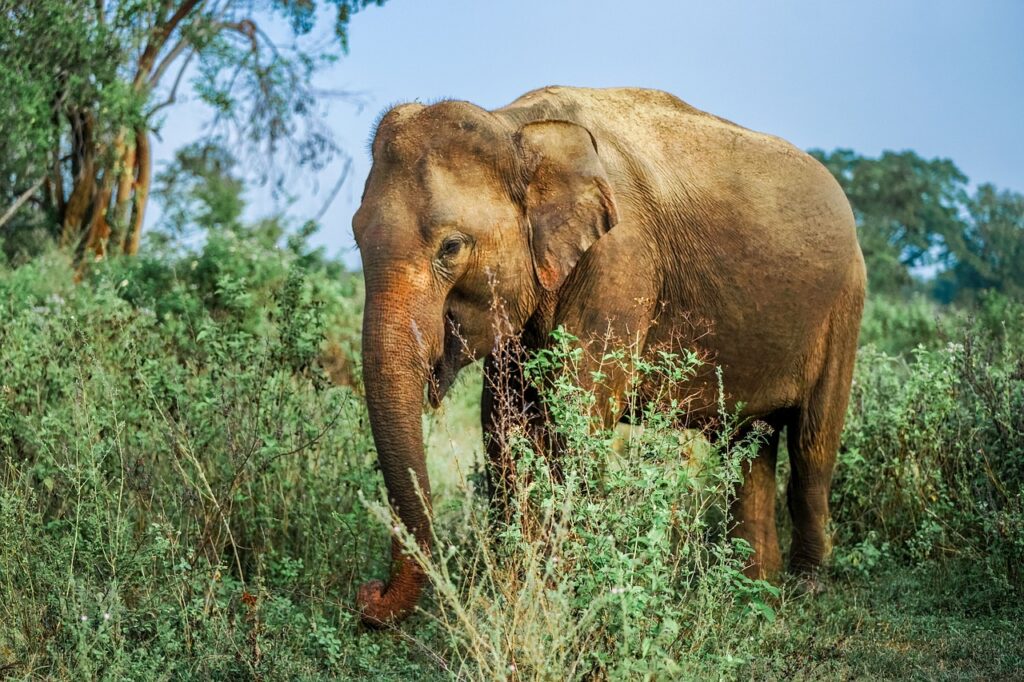
While Yala National Park is particularly famous for its leopard population, visitors can expect to encounter an impressive variety of wildlife that enriches the overall safari experience. Among the highlights of this vibrant ecosystem are the majestic elephants, who roam freely through the park. Yala is one of the best locations in Sri Lanka for observing these gentle giants in their natural habitat, often gathering near waterholes or grazing in the lush vegetation.
Another noteworthy resident of Yala safari Sri Lanka is the sloth bear, a unique species known for its shaggy black fur and a diet that includes fruits and insects. Spotting a sloth bear can be a thrilling experience, as they are primarily nocturnal and tend to be elusive during the day. Their playful nature and distinct appearance make them one of the park’s fascinating highlights.
Crocodiles are also commonly seen in Yala, particularly in the park’s wetlands and riverine areas. These formidable reptiles can often be observed basking in the sun or slipping silently back into the water. The contrast between these ancient predators and the park’s more graceful inhabitants adds to the diverse wildlife spectacle of a Yala safari.
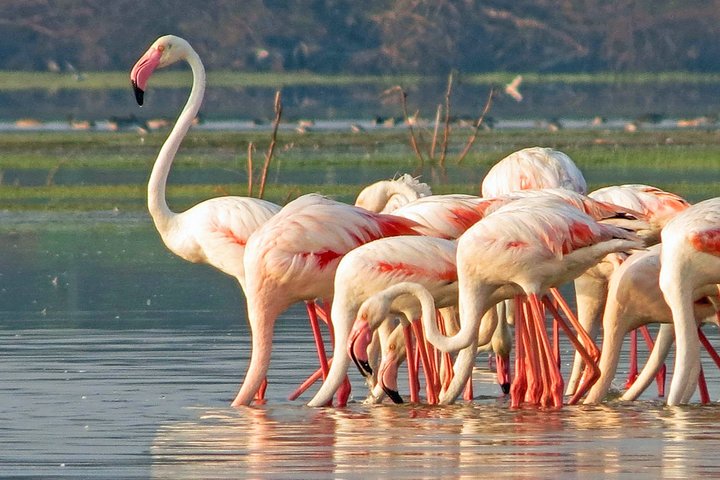
The birdlife in Yala National Park is equally remarkable, with over 200 species recorded in its diverse habitats, including forests, scrublands, and wetlands. Species such as the vibrant peacock, elegant egrets, and various migratory birds contribute to the rich tapestry of avian life surprisingly prevalent within the local ecosystem. Birdwatchers will find plenty of opportunities to glean sightings of not only the iconic birds of the region but also unique species that may be less common in other parts of Sri Lanka.
In conclusion, a Yala safari in Sri Lanka offers much more than just the chance to see leopards. The park is home to a wealth of other wildlife that captivates nature enthusiasts and contributes to an unforgettable experience in one of the country’s most celebrated natural environments.
Conservation Efforts in Yala National Park
Yala National Park, renowned for its diverse wildlife and stunning landscapes, plays a pivotal role in the conservation of Sri Lanka’s unique fauna, particularly the elusive leopards. As the park hosts one of the highest densities of leopards in the world, concerted efforts are being made to preserve their populations and habitats. The Sri Lankan government, along with various non-governmental organizations, has implemented several initiatives aimed at safeguarding the park’s ecosystem.
One of the primary aims of these conservation efforts is to mitigate human-wildlife conflict, which has become increasingly common due to encroaching agricultural activities near the park’s boundaries. Community engagement programs are vital in promoting coexistence, educating locals about the importance of preserving wildlife, and providing them with the tools to protect their livestock. These programs help ensure that the local population understands the significance of the leopard population and other wildlife in maintaining ecological balance.
Additionally, significant investments are being made in research and monitoring of leopard populations within Yala National Park. Utilizing camera traps and GPS collaring techniques, researchers can gather valuable data on leopard behavior, movement patterns, and population dynamics. This information is crucial for developing effective management strategies that not only protect leopards but also ensure their habitats remain viable.
Visitors to Yala National Park can actively contribute to these conservation initiatives. By choosing responsible tour operators who follow ethical wildlife viewing practices, tourists can support efforts to maintain the delicate balance of the ecosystem. Furthermore, participating in educational programs and adhering to park regulations directly supports the goal of conserving Sri Lanka’s biodiversity. In conclusion, the collaborative approach to conservation in Yala National Park combines scientific research, community involvement, and responsible tourism to create a sustainable future for both leopards and their habitats.