
Introduction to Sri Lanka’s Big Five
Sri Lanka wildlife tours, an island nation known for its rich biodiversity, offers a unique opportunity for nature enthusiasts to explore its extraordinary wildlife. Among the many spectacles it presents, the concept of the ‘Big Five’ has emerged, comprising five iconic animal species that capture the essence of the country’s natural beauty. This designation, commonly associated with Africa, in Sri Lanka includes the leopard, Asian elephant, sloth bear, blue whale, and the sperm whale. Each of these majestic creatures plays a vital role in the island’s ecosystem, showcasing the diverse habitats that await discovery.
Wildlife safaris in Sri Lanka, particularly Yala National Park, provide an exhilarating opportunity to witness these incredible animals in their natural settings. Yala Safari is renowned for its dense leopard population, making it a premier destination for those hoping to spot the elusive big cat. Beyond leopards, the Asian elephant roams freely within the park, offering visitors a chance to observe these gentle giants as they navigate their environment. This dynamic setting is enhanced by the presence of sloth bears, known for their unique behavior and distinctive appearance, which further enrich the safari experience.
The allure of embarking on a Sri Lanka safari is not limited to terrestrial wildlife. The waters surrounding the island are home to impressive marine species, including the majestic blue whale and the formidable sperm whale. Engaging in wildlife tours that encompass both land and sea ensures that travelers can experience the full spectrum of Sri Lanka’s rich biodiversity. The enchanting opportunity to observe these remarkable animals in their natural habitats not only fosters a deeper appreciation for the natural world but also highlights the importance of conservation efforts aimed at preserving such unique ecosystems.
The Majestic Sri Lankan Elephant
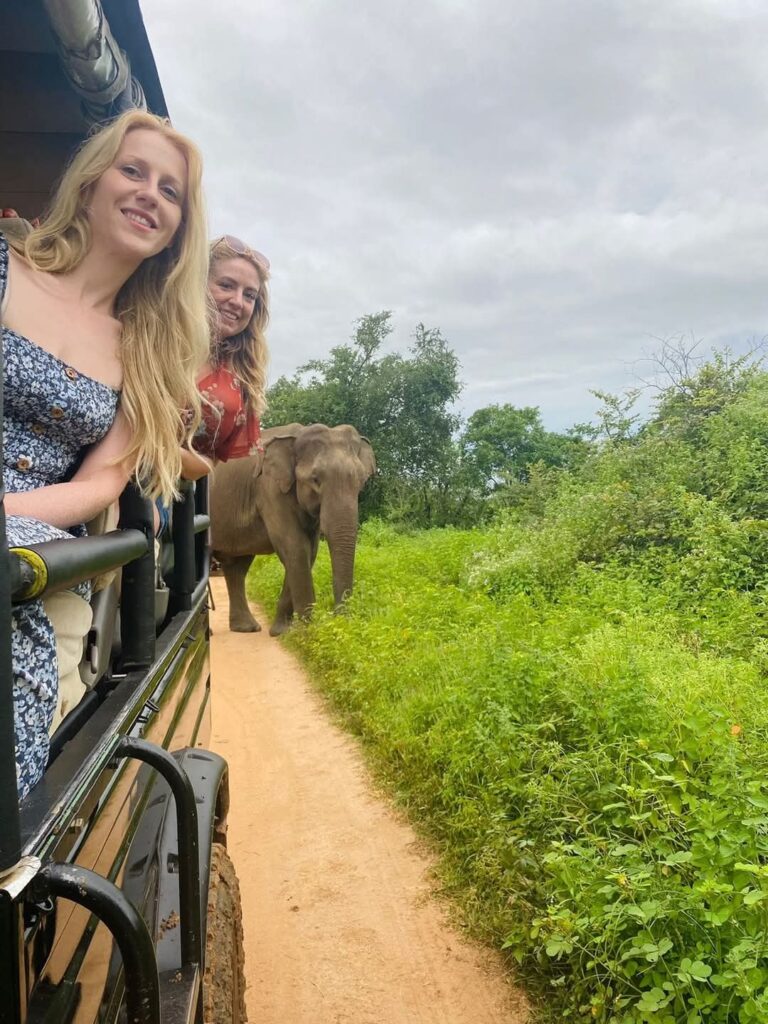
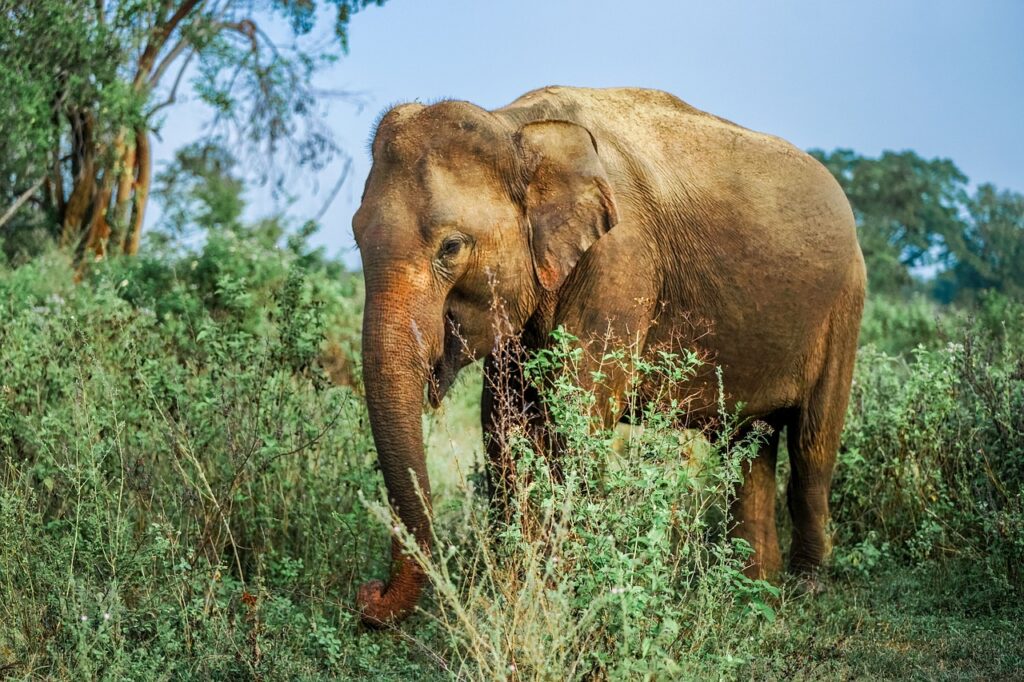
The Sri Lankan elephant, an iconic symbol of Sri Lanka, plays a pivotal role in the island’s wildlife ecosystem. Known for their impressive size and distinct characteristics, these magnificent creatures inhabit various habitats, ranging from the lush forests and grasslands of Yala National Park to the verdant landscapes found in Udawalawe. Throughout history, Sri Lankan elephants have been revered in culture and religion, emphasizing their importance in the local community.
In the wild, Sri Lankan elephants exhibit fascinating social behaviors. They live in matriarchal herds typically consisting of female elephants and their young. This social structure is essential for survival, as the matriarch guides the herd to water sources and feeding areas. Adult males, however, tend to lead a more solitary life once they reach maturity, sometimes forming temporary bachelor groups or living independently. Though naturally herbivorous, their diet is varied, consisting of grasses, leaves, fruits, and bark, which enables them to adapt to different environments.
While Sri Lankan elephants thrive in their natural habitats, many face threats due to habitat loss, human-wildlife conflict, and poaching. Conservation efforts, including the establishment of sanctuaries and national parks, strive to protect these elephants and their habitats. Ethical considerations surrounding the treatment of elephants, especially in tourist settings, have also gained importance. Tour operators promoting sri lanka wildlife tours are increasingly adopting responsible practices, ensuring that encounters with these animals prioritize their welfare. Initiatives that focus on education and awareness are vital to fostering respect for these majestic animals and promoting long-term conservation efforts.
Through thoughtful engagement and sustainable practices, we can ensure that future generations experience the grandeur of the Sri Lankan elephant in their natural habitat and appreciate their significance in Sri Lanka’s natural heritage.
The Elusive Leopard: Nature’s Stealthy Predator
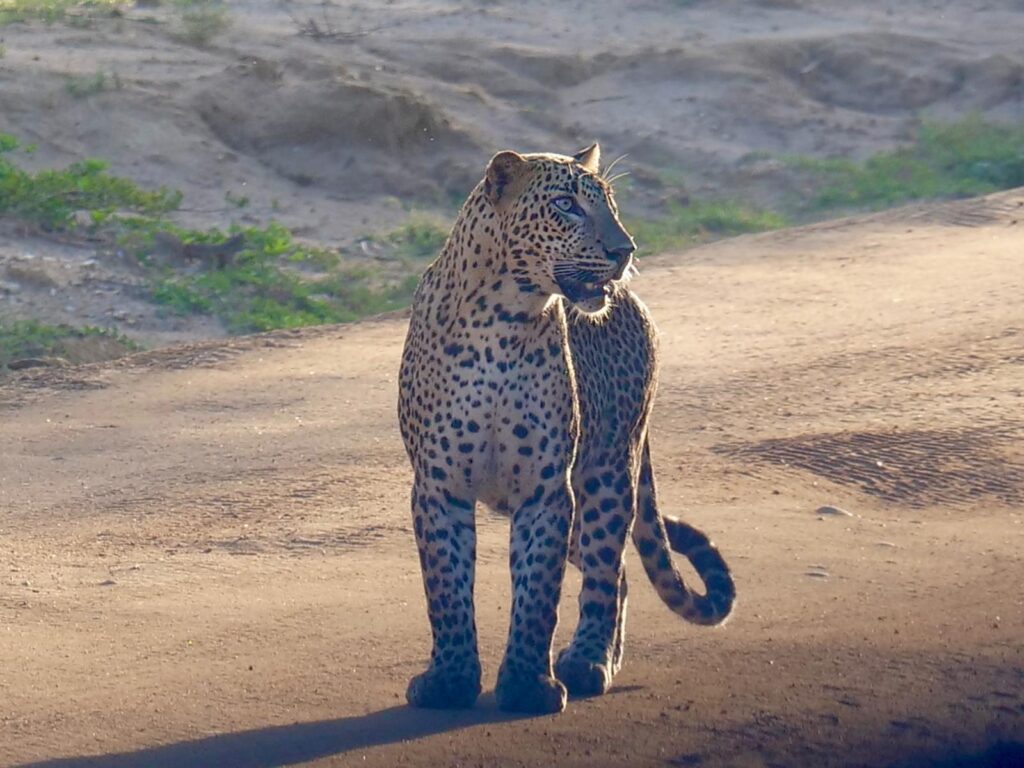
The Sri Lankan leopard (Panthera pardus kotiya) stands as an iconic predator of the island’s unique wildlife, embodying both elegance and cunning within its striking spotted coat. Renowned for its elusive nature, this big cat presents a thrilling challenge for wildlife enthusiasts and photographers embarking on sri lanka wildlife tours. The leopard is primarily nocturnal, often blending seamlessly into its surroundings, which can make it difficult to spot, especially during the day.
These magnificent creatures inhabit diverse ecosystems throughout Sri Lanka, with Yala National Park being one of the primary locales for sightings. Yala is famed for its high density of leopards and offers a spectacular opportunity to observe them in their natural habitat. In addition to Yala, a few other notable parks, such as Wilpattu and Udawalawe, also provide chances to marvel at these stealthy predators. The varied terrain ranging from dense shrubbery to open grassland allows leopards to hunt a variety of prey, which is essential for their sustenance.
While on a sri lanka safari, there are several strategies that can enhance the likelihood of spotting a leopard. First, opt for an early morning or late afternoon safari, as these are the most active times for leopards. Additionally, it is advisable to stay patient and avoid excessive noise, as leopards are sensitive to disturbances. Engaging with experienced guides can also greatly enhance the safari experience, as they possess valuable knowledge of leopard behavior and their preferred locales.
Leopards play a crucial role in the local ecosystem as apex predators, helping to maintain the balance of various animal populations within their territory. Their presence indicates a healthy environment, making the conservation of these majestic creatures vital for the future of Sri Lanka’s biodiversity. Overall, encountering a leopard during a wildlife safari is not just a thrilling experience, but also a testament to the rich wildlife heritage of this stunning island nation.
The Stunning Blue Whale: Ocean Giants of the Indian Ocean
The blue whale, renowned as the largest mammal on the planet, can often be observed off the coast of Sri Lanka, particularly along the southern coastal regions. These awe-inspiring creatures can reach lengths of up to 100 feet and weigh as much as 200 tons, making them truly remarkable to witness during wildlife tours. The best locations for observing blue whales include Mirissa, Trincomalee, and Kalpitiya, with the peak season for sightings typically occurring from November to April. These months coincide with calm seas, which enhance the visibility of these ocean giants.
On a sri lanka safari focused on marine wildlife, visitors can engage in exciting boat tours that offer a unique opportunity to spot these majestic animals in their natural habitat. It is not uncommon to see them spouting or breaching, showcasing their immense size and strength. Blue whales are known for their solitary nature, although they may sometimes be spotted in small pods, often accompanied by other species such as dolphins and other whale types. Such encounters make for unforgettable experiences that demonstrate the rich biodiversity of Sri Lankan waters.
Despite their grandeur, blue whales face significant threats, primarily due to human activities. Commercial whaling in the past has had a devastating impact on their populations, and today, they grapple with issues such as ship strikes, entanglement in fishing gear, and climate change, which affects their food supply. Conservation efforts are crucial for protecting these ocean giants, and organizations are working both locally and internationally to promote awareness and safeguard their habitats. Engaging in sri lanka wildlife tours not only offers remarkable sightings but also supports these essential conservation initiatives, ensuring that future generations can continue to marvel at the blue whale, an enduring symbol of marine magnificence.
The Uncommon Sloth Bear: A Unique Discovery
The sloth bear, an unusual member of Sri Lanka’s Big Five, is a captivating creature that merits attention from wildlife enthusiasts. Characterized by its shaggy black fur, elongated snout, and distinctive white chest markings, the sloth bear possesses a unique appearance that often intrigues visitors on Sri Lanka wildlife tours. These bears are primarily nocturnal and are distinguished by their affinity for a varied diet that includes fruits, insects, and honey. Their specially adapted jaws are well-suited for digging into termite mounds, making them particularly adept at foraging in the wild.
In Sri Lanka, sloth bears inhabit dry forests, scrublands, and grasslands, with significant populations residing in the Yala National Park and Wilpattu National Park. Yala safari experiences offer visitors a chance to observe these remarkable animals in their natural setting, particularly during dusk when they become more active. The preference for habitats with secluded vegetation allows them to remain elusive, providing both a challenge and delight for wildlife observers seeking an unforgettable sri lanka safari experience.
Conservation efforts for sloth bears are critical, as their population faces threats from habitat destruction, human-wildlife conflict, and poaching. The International Union for Conservation of Nature (IUCN) has classified the sloth bear as ‘vulnerable,’ underscoring the urgent need for protective measures. Education and awareness initiatives aimed at local communities are essential to mitigate conflicts and promote coexistence with these remarkable creatures. Ensuring the preservation of their habitat is vital to securing the future of sloth bears. Thus, their protection contributes not only to the ecosystems in which they reside but also enhances the attractiveness of Sri Lanka wildlife tours, creating opportunities for future generations to appreciate and learn about this extraordinary animal.
The Colorful Sri Lankan Peafowl: Nature’s Artistry
The Sri Lankan peafowl, or Pavo cristatus, is a remarkable embodiment of nature’s artistry, renowned for its stunning, iridescent plumage. This species of peafowl is native to the lush forests and open habitats of Sri Lanka, particularly thriving in regions such as Yala National Park, where visitors often embark on wildlife safaris. Notably, the peafowl is most identifiable by the male’s elaborate tail feathers that can span over six feet in length, adorned with vibrant eye-patterns. These feathers are prominently displayed during courtship rituals, creating a mesmerizing spectacle that attracts peahens.
Behaviorally, Sri Lankan peafowls exhibit a range of interesting characteristics. They are known for their striking courtship displays, which involve a series of intricate maneuvers combined with melodious calls. During the mating season, these displays become more prominent, as males seek to showcase their strength and vigor. Solitary by nature, peafowls may gather in small flocks during feeding times, foraging for seeds, insects, and small reptiles on the forest floor. Observing these behaviors can enhance the experience during Sri Lanka wildlife tours, as keen birdwatchers may capture instances of this natural theatrical display.
In Sri Lankan culture, the peafowl holds significant symbolism, often representing grace and beauty in local folklore. The bird is frequently depicted in art and literature, further enhancing its status as an emblem of national pride. For birdwatchers looking to spot these stunning creatures, visiting during the early morning or late afternoon proves most fruitful when they are most active. Additionally, utilizing binoculars can provide an unobstructed view of their radiant colors and elaborate behaviors, making a wildlife safari undoubtedly memorable. As you embark on a Sri Lanka safari, embrace the opportunity to witness these magnificent birds in their natural habitat.
Top National Parks for Wildlife Safari in Sri Lanka
Sri Lanka, often referred to as a wildlife paradise, is home to several national parks that offer unparalleled experiences for nature enthusiasts. Among these, Yala National Park stands out as the most sought-after destination for spotting the Big Five, which includes the leopard, elephant, buffalo, deer, and bear. Covering around 979 square kilometers, Yala is known for its diverse ecosystems ranging from dry monsoon forests to scrubland, attracting a multitude of wildlife. The best time to visit Yala is between February and July when the water levels are low and animals congregate around water sources, making wildlife sightings more likely during Yala safaris.
Another prominent park, Udawalawe National Park, is particularly famous for its large population of elephants. Spanning approximately 308 square kilometers, Udawalawe boasts open grasslands, scrub forests, and the Udawalawe Reservoir, which attract numerous birds and animals. The optimal time for a safari here is during the dry season, from May to September, as elephants are more visible. Visitors can embark on both morning and evening safaris, making it one of the best Sri Lanka wildlife tours for family outings.
Wilpattu National Park, the oldest national park in Sri Lanka, is distinguished by its unique system of natural lakes known as ‘villus.’ This park is less crowded than Yala, offering a more serene environment to observe the majestic wildlife, including leopards and sloth bears. The ideal time to visit Wilpattu is from March to October when animals are more active. Guided safaris here provide a unique opportunity to explore its varied landscapes and observe the rich biodiversity.
Overall, each of these national parks presents distinctive features and extraordinary wildlife viewing experiences, making them essential destinations for anyone looking to fully immerse themselves in Sri Lanka’s rich natural heritage.
Planning Your Safari: Tips and Considerations
Embarking on a Sri Lanka wildlife tour, particularly one that includes a Yala safari, can be an exhilarating experience filled with unique encounters with the country’s diverse fauna. To ensure a successful expedition, careful planning is essential. One of the primary considerations is choosing the right season for your safari. The dry season, typically from May to October, is often regarded as the best time to visit Yala National Park as animals congregate around limited water sources, making wildlife spotting more accessible.
When selecting a safari, consider choosing from reputable service providers that offer well-structured Sri Lanka safari tours. Look for tours that prioritize conservation and allow time for engaging with local wildlife without disrupting their natural behaviors. One effective way to enhance your safari experience is by hiring an expert guide. Knowledgeable guides can provide insights into animal behavior, ecological systems, and cultural contexts, contributing significantly to your understanding of the wildlife you encounter.
Moreover, packing the appropriate gear is vital for a successful safari. Essential items include binoculars for wildlife observation, a camera with a good zoom lens for capturing distant animals, and lightweight, breathable clothing suitable for warm weather. Don’t forget to bring sunscreen, insect repellent, and sufficient water to stay hydrated. It is also important to be mindful of ethical wildlife viewing practices during your safari. Maintain a respectful distance from animals, refrain from feeding them, and follow the guidelines established by park authorities, ensuring the welfare of the wildlife is preserved.
By paying attention to these factors when planning your Sri Lanka wildlife tours, you can create memorable experiences while contributing positively to the ecosystems and communities you visit. Engaging responsibly with the natural world not only enriches your journey but also helps protect the extraordinary wildlife that makes Sri Lanka a sought-after safari destination.
Conclusion: Embrace the Wild Experience
Embarking on a wildlife safari in Sri Lanka offers an unparalleled opportunity to witness the country’s rich biodiversity, especially the renowned Big Five: the Asian elephant, Sri Lankan leopard, blue whale, sperm whale, and the sloth bear. A Yala safari or any other Sri Lanka wildlife tour presents not just an adventure but a chance to connect with nature in its most pristine form. The thrill of encountering these majestic animals in their natural habitat creates unforgettable experiences that resonate long after the journey is over.
Moreover, tourism plays a critical role in wildlife conservation in Sri Lanka. By participating in responsible tourism practices during Sri Lanka safaris, tourists contribute financially to conservation efforts. This form of eco-tourism not only supports local economies but also ensures the protection of habitats and the preservation of endangered species. Engaging with reputable tour operators who promote sustainable practices is essential, as it guarantees that the natural environments are respected, allowing both wildlife and tourists to thrive harmoniously.
As you plan your adventure of exploring Sri Lanka’s Big Five, remember that your experience contributes to a broader cause. Every ticket purchased, every guided tour taken, supports the preservation of these majestic creatures and their ecosystems. Therefore, embracing the wild experience by choosing ethical wildlife safaris enables you to enjoy the beauty and diversity of Sri Lanka while ensuring future generations can also appreciate these wonders. Taking part in such meaningful travel fosters a deeper understanding of conservation issues and heightens awareness of the urgent need to protect our planet’s delicate ecosystems.